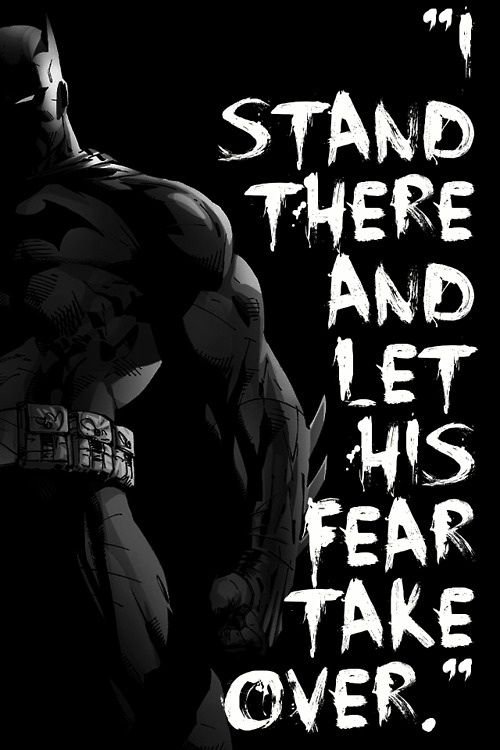
“Thought the system was flawed.
Found out it’s perfected.”
As of the day this post is being finalized and scheduled for publishing, March 21, 2020, there are nearing 300 thousand confirmed cases of the novel Corona Virus (COVID-19), and more than 11 thousand deaths confirmed globally according to the World Health Organization.
Millions are experiencing a disruption in their daily lives. The majority of the content below was written before COVID-19 was declared a pandemic. Its publication (planned for sometime in March) was planned before the quarantines and lockdowns and shelter in place announcements were made.
As life for so many has changed over these last few weeks, I reconsidered for a moment, posting the following. Would it be insensitive to critique the circumstances around the death of one person, or a small percentage of the population, at the hands of law enforcement in the United States of America, when life for so many has been so shaken?
But then I thought of the family members and friends of the deceased (the killed) who have to go through this pandemic without the support of their loved ones (loved ones who were killed tragically and unjustly). I thought of those who still lament. And will continue to lament, when the quarantines lift, and the lockdowns are over, and people can gather in large crowds again, and the vaccines are made, and distributed and received.

Jemel Roberson will still be dead. The question remains, “will justice be done?”
So, I post.
When/If Midolthian police officer Ian Covey goes to trial for the killing of Jemel Roberson, he will likely say lethal force was applied because of fear.
When/If the defense tries to find him not guilty, or have his charges reduced, they will likely base their arguments related to the multiple gunshots from the assault rifle to the back and right flank of Roberson, on fear.
They will very likely paint a picture that this man (black) was a threat (actual or perceived) to the officer (or others).
This is not new.
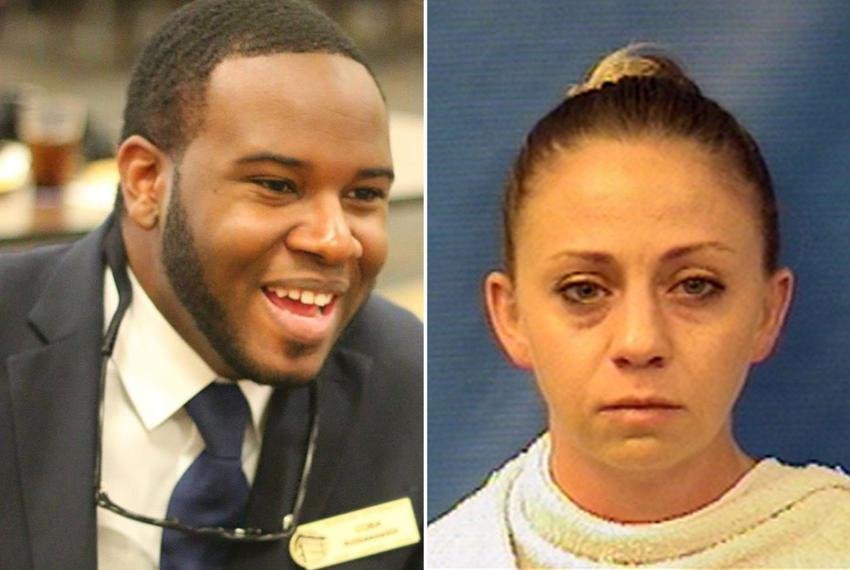
In the trial of Amber Guyger in the killing of Botham Jean they tried it. Attempting to inspire a sense of fear towards Botham, Guyger’s defense highlighted the potential threat this black man (this “silhouette”) could have been to her (in some imagined scenario).
These postulated threats have been used to justify preemptive violence against non-white peoples in America since its infancy. (See “A History of Tolerance for Violence Has Laid the Groundwork for Injustice Today” by Jennifer Rae Taylor at the American Bar Association, May 16, 2019.)
Postulating these threats is something that our law enforcement system may have inherited from this world’s lowly lion. This is a principle handed down from the principalities and prince (, possibly princes) that sit over the United States of America.
And there are (would-be/could-be) protectors,
repairers of the breach.
And these are the ones the prince must distract,
And discourage, and silence, and end.
The princes must silence, and end.
———-These are the ones that (would/could) subdue it.
Officer Ian Covey may say he feared Jemel Roberson because it was dark, because “shots fired” had been reported.
(Because Roberson fit the description.)
Roberson was a threat, but not to Covey’s life.
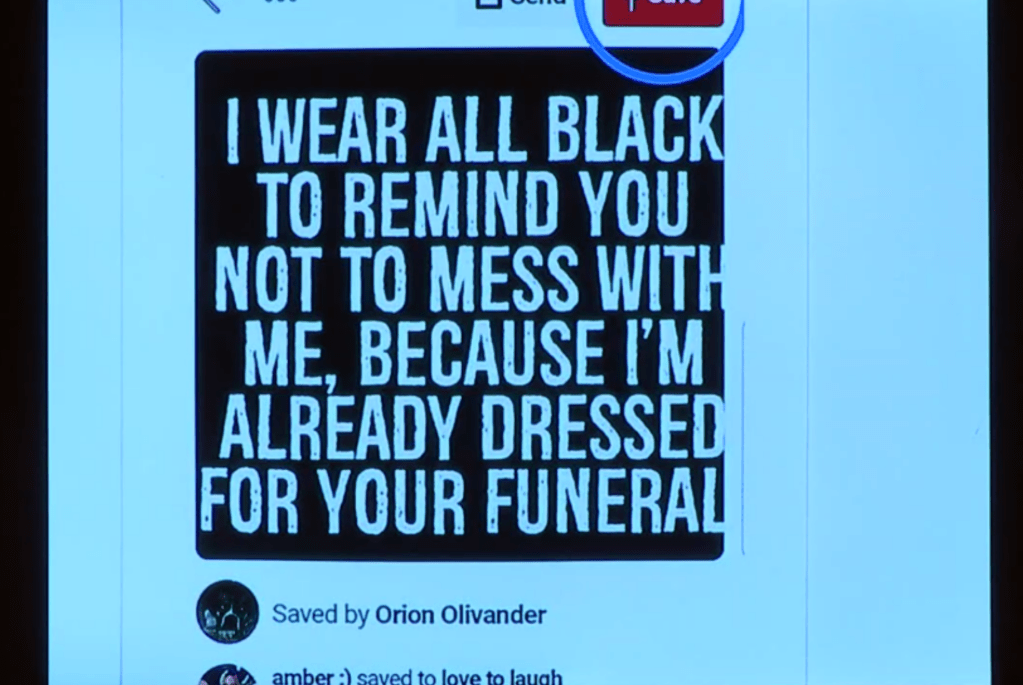
Roberson posed a threat to a system that shoots firsts, so as to die last, a system that wears black because it is prepared for (and may bring about) your funeral, a system that doesn’t let de-escalation training or cover-and-concealment-tactics-to-better-assess-a-situation speed bump or red light the quick draw and double tap to maximize lethality.
On a higher level, Roberson posed a threat to violence first policing. He stopped an active shooter without shooting him dead. He was kind of like Batman.
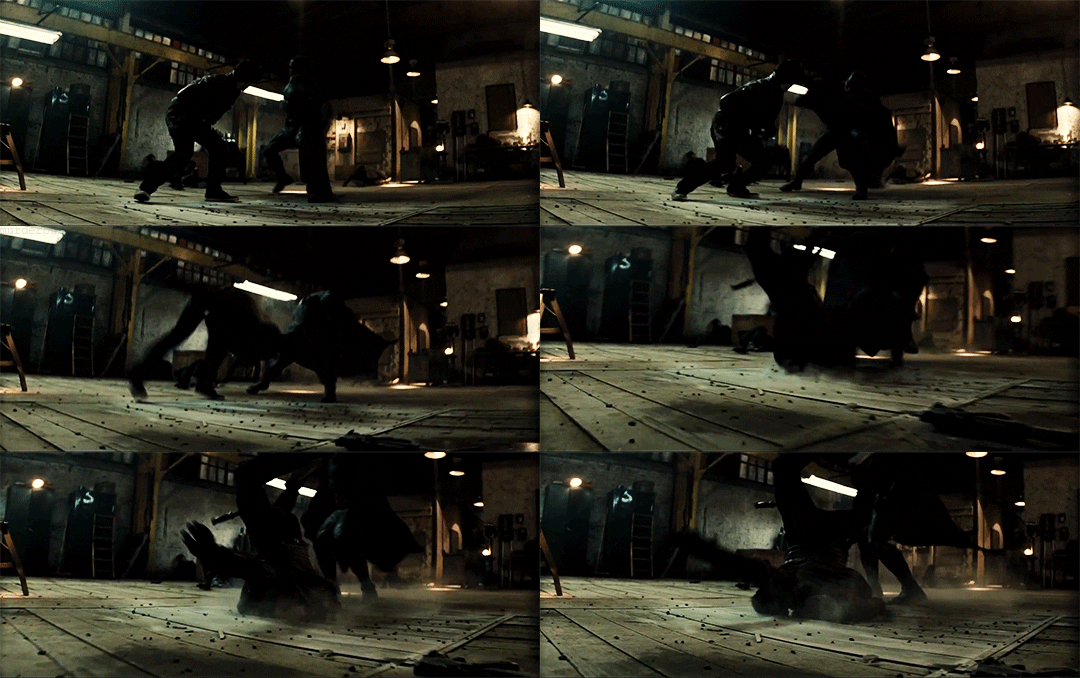
No, not this Batman.
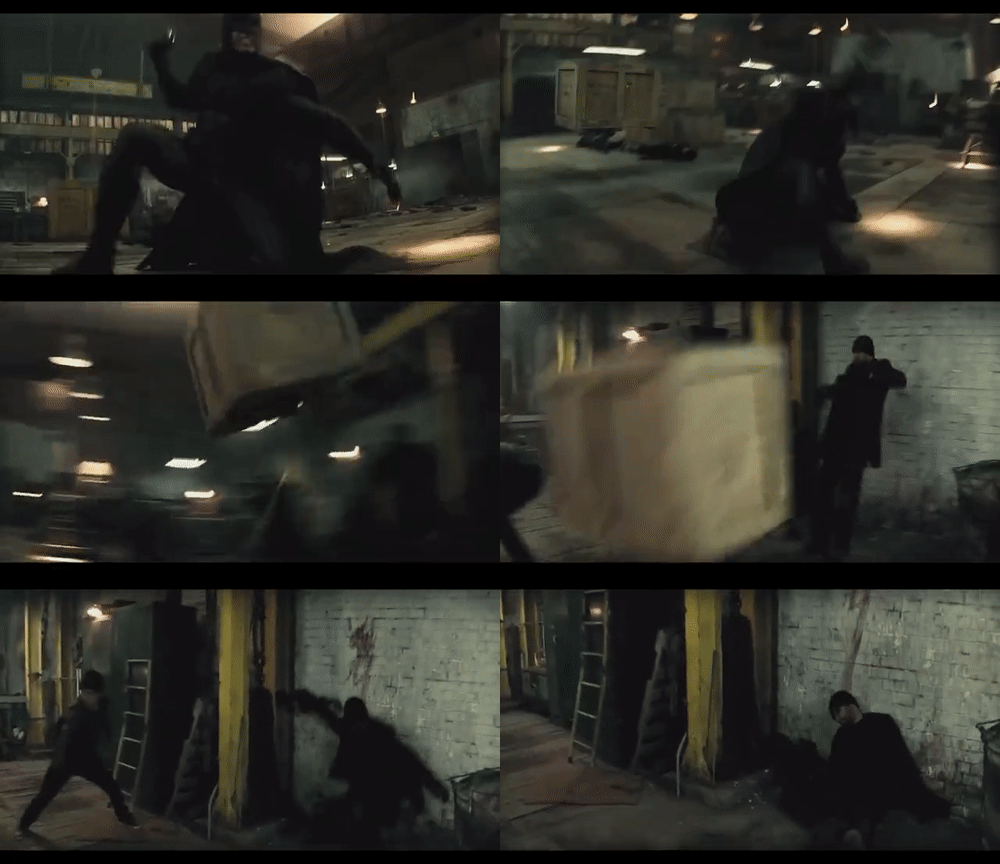
Definitely not this Batman.
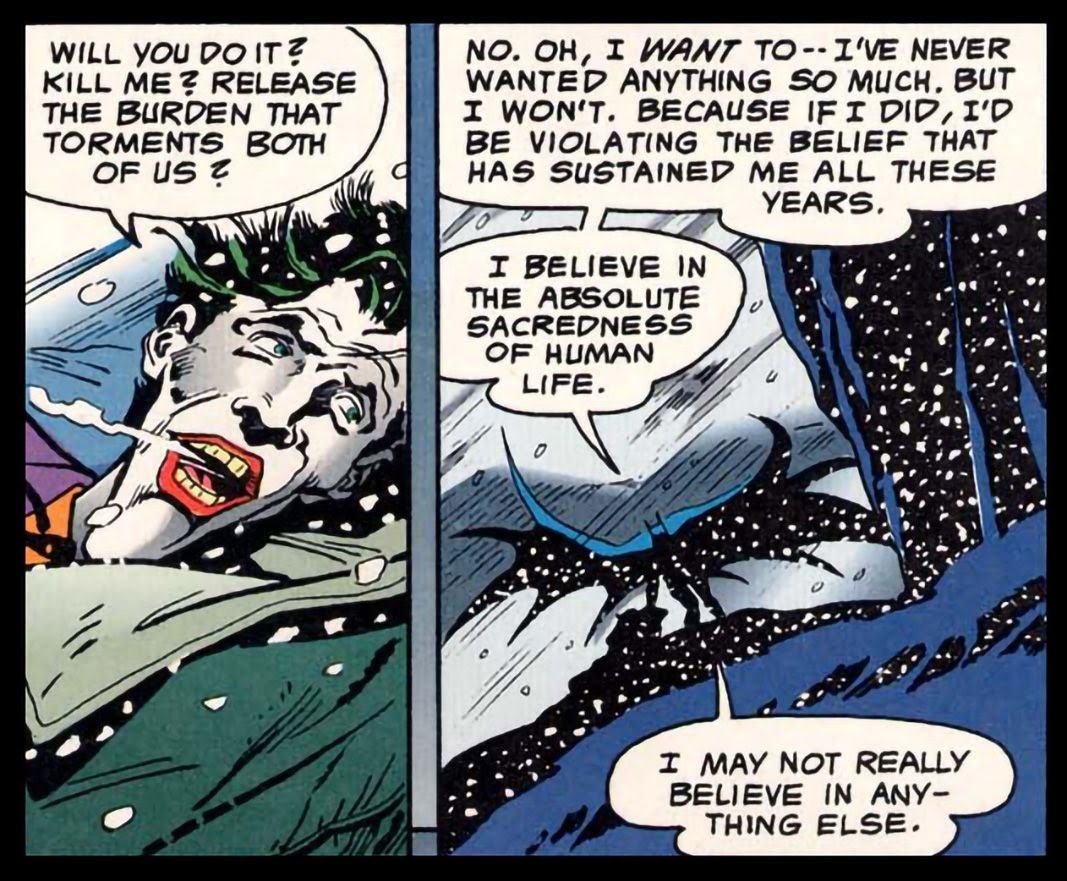
Maybe not exactly like this Batman, but more like this one than the “smash a wooden crate into your skull” one.*
The aspirations Roberson had of becoming a law enforcement officer make his being killed by them all the more tragic.
Roberson also posed a threat to the kingdom of the prince of this world.
He was a guardian of the house…
Of stature, and courage, and restraint.
And his hands held a child,
And filled churches with music for praise.
———-
A protector, repairer, shepherd,
Jemel Roberson, if he had lived to join the ranks of the police, was a man whose courage and restraint and value for life could have saved more lives, where other officers would have killed without sufficiently assessing the situation with input from witnesses already on the scene (like Covey did, when he killed Roberson).
Roberson’s fingers may have played a keyboard during a worship service where someone found deliverance from fear, experienced God’s love, received forgiveness of sins and/or healing, for the first time.
Roberson was a threat to the kingdom of darkness.
2 Chronicles 16:9a says:
For the eyes of the Lord range throughout the earth to strengthen those whose hearts are fully committed to him.
Roberson could have been that man.
The first chapter of Exodus and the second of Matthew give accounts of the authorities of kingdoms of the world ordering preemptive violence against potential threats to their power.
St. Lucia’s son (Botham Jean) posed a threat to the kingdom of the lowly lion. Since his killing, thousands of people have seen a video of him practicing a spoken word piece with friends where he called out to the Lord to raise up more believers that would stand on the word of God above all else. Thousands have heard testimonies to the Godly character of this man. During the first and second parts of the sentencing phase of Guyger’s trial, character witnesses shared some of who Botham was with the world. While in no way perfect, in no way Jesus, his life was a light for others.
Scripture tells us that demonic forces fear the power of Christ, and that His power can move in His people. In Luke 10 we have an account of Christ sending out 72 faithful followers.
When they return they bring testimonies of victory over spiritual oppression. Jesus, in celebrating what God has done through them declares “I saw Satan fall like lightning.”
In this sermon, Pastor Greg Boyd asserts that Jesus is speaking hyperbolically, in word-picture, providing a digestible image of what these believers were doing in the spiritual as they went forth bringing peace, engaging in love, healing the sick, declaring the Kingdom.
It was as if they were displacing the forces of wickedness, bringing the hammer down on the enemy, shaking these authorities and fallen thrones from their seats of power. And the principalities, feeling the impact of these Christ followers, were likely on notice, recognizing this threat, possibly afraid.
There is no way to say for certain that the killing of Botham Jean by Amber Guyger was fully orchestrated by satanic forces (though theories are out there), but Jean’s life being ended on earth may have prevented further damage to the kingdom of darkness.
And that lowly prince may have rejoiced.
And there may have been an assumption that the killing would go mostly unpunished, as cases of unarmed black people being killed by the police have gone mostly unpunished. That confidence is well founded. The history of that violence continues.
The legislated significance of skin is a wound yet to be treated in full. Infection and flare up is inevitable.
The law has disproportionately enabled law enforcement to kill citizens and get away with it. Those killings have disproportionately been of black citizens.
The laws, created out of, or justified by fear, have contributed to so many laments in this country, and to the Laments in Midlothian. We will explore some aspects of discriminatory, racist laws and the principalities behind them in the next instalment of this series.
*The Batman comparison is in no way a perfect parallel… comic book or superhero movie fans might find some of Batman’s decisions questionable when it comes to the Joker and not ending their cycle. I beg your grace, and offer you this article if interested, which I think engages the conversation well, and in greater depth than is appropriate here: “Why Batman stopped killing people in 1940” by Alan Kistler at Polygon.com.
Footnote: While not the focus of this post, the abundance of guns in our nation adds to, and helps to frequently rationalize the fear that is used to justify the killing of black civilians (and non-black civilians which make up a larger raw number, but a smaller, and thus disproportionate percentage) by law enforcement. Sometimes someone shot by law enforcement is armed. There are well over 200 million estimated guns in America. Some victims of police gun violence, are armed. I wish I could assume the majority of those victims that supposedly were, truly were. But some officers lie and plant weapons. Because there are over 200 million estimated guns in America, their lies and planted weapons coupled with their words and authority, have given them credibility in the past that must be questioned today… as we find out about the lies, and planted weapons. However, the abundance of guns in the nation and how that impacts society is something to delve deeper into at another time perhaps…
Some Songs and Closing Notes:
The song “Black Heart” by Corey Paul points to some of the ways that Satanic systems are deployed to cut short the potential of a community of people. “Not For Sale” by Bizzle and “Look At Me Now” by Derek Minor, along with Derek Minor’s album The Trap and Eshon Burgundy’s For the Love of Money among others, point to idols that we make and that are made of violence and and mammon and spectacle (among other things) that contribute to an atmosphere and socio-spiritual climate that props up violence (actual or postulated, rationally or irrationally) to be answered by violence reflexively, retalitorially, or preemptively out of paranoia and fear or simple abuse of power. The violence I write about coming from law enforcement and practiced against citizens, is not exclusive to their institution. (The abundance of guns in America is not the only element of culture that provides some cover and plausible deniability.) Their institution just has more ways of evading consequences officially, and has a history of abusing its power, to abuse its power.
This produces lament.
As we cry out for, and lament over a lack of justice in this world, a world now under a pandemic, God still offers hope, so I’m also posting a spoken word today which was not originally in the plan. You can find it on the blog, or our YouTube channel here.
 Festival of Booths
This is it. All of it.
Well done.
LikeLiked by 1 person
Thanks. Appreciate it!
LikeLike
Thanks for sharing your writing John, this is needed now more than ever!
LikeLiked by 1 person
Thank you.
LikeLike